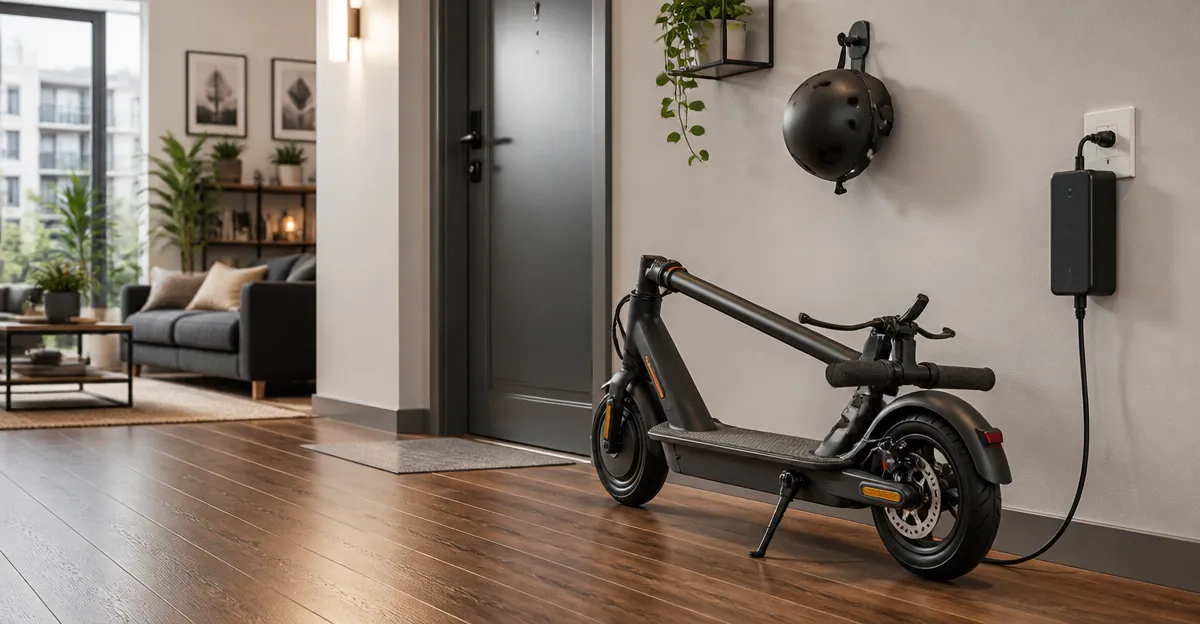
Apartment Charging Etiquette for Folding E‑Scooters: The Complete Tenant’s Guide to Safe, Courteous, and Code‑Compliant Charging
Introduction
Urban living increasingly incorporates folding electric scooters as a convenient micro‑mobility solution. Tenants who own such devices must balance personal convenience with the safety and comfort of neighbours and property managers. This guide explains the essential etiquette, safety standards, and practical product choices for charging folding e‑scooters in apartment settings. Readers will learn how to comply with building codes, negotiate lease terms, and select reliable chargers that minimise risk.
Background and Context
Folding e‑scooters typically use 36‑volt lithium‑ion battery packs that require a 42‑volt, 2‑amp charger to reach full capacity. The charging process draws a modest amount of electricity but can generate heat, emit odors, and, in rare cases, cause electrical faults. Understanding the technical basics helps tenants communicate effectively with landlords and avoid common pitfalls such as overloaded circuits or prohibited modifications to common‑area wiring.
Understanding Building Codes and Electrical Safety
Most municipal building codes require that any appliance plugged into a residential outlet be listed by a recognized safety organization such as UL, CE, or SGS. Chargers that incorporate over‑current, short‑circuit, and over‑voltage protection meet these standards and reduce the likelihood of fire hazards. Tenants should verify that the charger they use displays a certification label and that the outlet they select is on a dedicated circuit or a low‑load branch circuit.
Landlord and Lease Considerations
Leases often contain clauses that restrict the use of personal charging equipment in common areas or that require prior written consent for any electrical modifications. Tenants should review their lease for language concerning “electrical devices,” “battery‑powered equipment,” or “charging stations.” When in doubt, a polite written request that outlines the charger’s safety certifications and low power draw can facilitate approval and avoid lease violations.
Safe Electrical Practices for Apartment Charging
First, always use a charger that matches the battery’s nominal voltage and current rating; mismatched specifications can lead to under‑charging or overheating. Second, place the charger on a stable, non‑flammable surface such as a wooden desk or a ceramic tile, and keep it away from curtains, bedding, or other combustible materials. Third, avoid using extension cords or power strips unless they are rated for the charger’s amperage and feature built‑in surge protection.
Finally, monitor the charging session for the first few minutes to ensure that indicator lights behave as expected and that the charger does not emit unusual smells or excessive heat. Most modern chargers will display a red light while charging and switch to green when the battery is full; any deviation should prompt immediate unplugging and inspection.
Choosing the Right Charger
When selecting a charger, prioritize models that provide multiple connector options, robust safety features, and positive user feedback. The following products have been identified as reliable choices for apartment dwellers.
The EVAPLUS 42V 2A Fast Charger offers three interchangeable connectors, SGS certification, and a compact footprint of 5.03 × 2.16 × 1.57 inches. It delivers 42 V at 2 A, providing swift charging for 36 V lithium batteries while protecting against short‑circuit, polarity, over‑current, and over‑voltage events. With a price of $16.99 and a rating of 4.2 / 5 from over seven thousand reviews, it balances affordability with safety.
The Wyness 42V 2A Scooter Charger features a US‑style wall plug, a clear LED indicator, and compatibility with popular brands such as Bird, Lime, and Xiaomi. Its high‑quality plastic housing and CE‑tested overload protection make it a solid option for tenants who prefer a single‑connector design. Priced at $15.99 and rated 4.4 / 5, it is praised for its plug‑and‑charge simplicity.
The VHBW 42V 2A Charger stands out with a 9.8‑foot power cord and a round barrel plug that fits a wide range of Gotrax models. It includes multi‑layer protection against over‑voltage, over‑current, and short circuits, and its long cord allows placement away from high‑traffic areas. At $17.99 and a 4.4 / 5 rating, it is well‑reviewed for consistent performance.
The Brokeir 42V 2A Replacement Charger is UL‑listed, provides a 2‑amp output, and includes a one‑year free replacement guarantee. Its four‑plug configuration ensures compatibility with many 36 V scooters, and the charger’s intelligent safety circuit safeguards against overheating and reverse polarity. Though priced higher at $23.79, its 4.2 / 5 rating reflects strong reliability for users who need a robust, warranty‑backed solution.
The EVAPLUS UL Certified 42V 2A Charger provides five interchangeable plugs, UL certification, and a long 9.84‑foot cord. It is specifically marketed as a universal replacement for Segway Ninebot models and includes over‑voltage, over‑current, and temperature protection. At $19.99 with a 4.3 / 5 rating, it offers versatility for tenants who own multiple scooter brands.
Comparison and Selection Guide
| Product | Price | Rating | Key Safety Features | Connector Variety |
|---|---|---|---|---|
| EVAPLUS 42V 2A Fast Charger | $16.99 | 4.2/5 | Short‑circuit, polarity, over‑current, over‑voltage protection (SGS) | 3 types |
| Wyness 42V 2A Scooter Charger | $15.99 | 4.4/5 | CE‑tested overload and over‑voltage protection | Single standard plug |
| VHBW 42V 2A Charger | $17.99 | 4.4/5 | Over‑voltage, over‑current, short‑circuit protection | Round barrel plug |
| Brokeir 42V 2A Replacement Charger | $23.79 | 4.2/5 | UL‑listed, over‑voltage, over‑current, short‑circuit, overheating protection | 4 plugs |
| EVAPLUS UL Certified 42V 2A Charger | $19.99 | 4.3/5 | UL certification, temperature, over‑voltage, over‑current protection | 5 plugs |
Tenants should match the charger’s connector type to their scooter’s inlet, prioritize UL or SGS certification, and consider cord length for placement flexibility. Budget‑conscious users may opt for the Wyness model, while those who value extensive plug options may prefer the EVAPLUS UL Certified charger.
Best Practices & Tips for Courteous Apartment Charging
Never leave a charging scooter unattended for extended periods, especially overnight, unless the charger has a built‑in auto‑shutoff feature. Keep the charging area tidy, and store the scooter upright on a stand or rack to prevent accidental tripping. If the building provides a dedicated charging locker or a common‑area outlet, obtain written permission before using it and label the outlet with the tenant’s name to avoid confusion.
When moving out, disconnect the charger, coil the cord neatly, and return it to its original packaging if possible. Providing the landlord with a brief report of the charger’s safety certifications can demonstrate responsible ownership and may ease future approval processes for other tenants. Finally, maintain the scooter’s battery health by avoiding deep discharges below 5 % and by not over‑charging beyond the charger’s automatic termination point.
Frequently Asked Questions
Can I use a standard household outlet to charge my e‑scooter?
Yes, provided the outlet is rated for at least 15 amps and the charger is certified for residential use. Always verify that the charger’s plug matches the outlet type and that the circuit is not shared with high‑draw appliances.
Is it permissible to install a permanent charging station in my apartment?
Installation of permanent fixtures typically requires landlord approval and may need a licensed electrician to ensure compliance with local codes. Temporary solutions such as a floor‑standing charger on a non‑flammable mat are usually acceptable without modification.
What should I do if the charger’s indicator light stays green and never turns red?
A green light often indicates that the charger is powered but not actively charging, which may occur if the battery voltage is below the charger’s activation threshold. Try briefly spinning the scooter’s motor wheel to raise the battery voltage above 1 % before reconnecting, as suggested by several user reviews.
Are there any fire‑safety devices I should install near the charger?
While most certified chargers include internal fire‑suppression circuitry, placing a small Class C fire extinguisher or a smoke detector nearby adds an extra layer of safety, especially in older buildings with outdated wiring.
How often should I replace my charger?
Chargers typically last three to five years under normal use. Signs of wear such as frayed cords, exposed conductors, or inconsistent indicator lights warrant immediate replacement to prevent hazards.
Conclusion
Charging folding e‑scooters in an apartment environment requires a blend of technical awareness, respectful communication with property management, and the selection of certified, low‑risk chargers. By following the etiquette outlined in this guide, tenants can enjoy the convenience of micro‑mobility while maintaining a safe and harmonious living community.
Products Featured in This Guide
EVAPLUS 42V 2A Fast Charger
Price: $16.99 | Rating: 4.2/5 (7,181 reviews)
Featured for its SGS certification, three interchangeable connectors, and compact size that suit apartment charging stations.
Wyness 42V 2A Scooter Charger
Price: $15.99 | Rating: 4.4/5 (1,153 reviews)
Featured for its simple plug‑and‑charge design, CE‑tested overload protection, and broad compatibility with popular scooter brands.
VHBW 42V 2A Charger
Price: $17.99 | Rating: 4.4/5 (1,802 reviews)
Featured for its long 9.8‑foot cord, round barrel plug compatible with many Gotrax models, and multi‑layer protection circuitry.
Brokeir 42V 2A Replacement Charger
Price: $23.79 | Rating: 4.2/5 (571 reviews)
Featured for its UL certification, four‑plug versatility, and one‑year free replacement guarantee, ideal for tenants seeking added warranty coverage.
EVAPLUS UL Certified 42V 2A Charger
Price: $19.99 | Rating: 4.3/5 (101 reviews)
Featured for its five interchangeable plugs, UL certification, and extensive compatibility with Segway Ninebot scooters, providing maximum flexibility for multi‑brand owners.
Frequently Asked Questions
Can I charge my folding e‑scooter in my apartment without violating lease terms?
Yes, if the lease permits personal electronics and you use a UL‑listed 42 V, 2 A charger on a dedicated outlet without modifying wiring.
How do I prevent overloading my apartment’s electrical circuit while charging?
Charge on a single 120 V outlet, avoid using extension cords, and ensure the circuit’s total load stays below 80% of its amperage rating.
What charger specifications are required for most folding e‑scooters?
A 42‑volt, 2‑amp lithium‑ion charger that matches the scooter’s battery pack and is certified for safety.
What safety steps should I take to avoid heat or fire hazards during charging?
Place the charger on a non‑flammable surface, keep it ventilated, unplug once fully charged, and never leave it unattended for long periods.
How can I discuss charging permissions with my landlord or property manager?
Provide the charger’s certification, outline the low power draw, and propose a written agreement that limits charging to a private outlet only.